Audience one
Couple booking a break
What they care about
Nothing to plan, nothing to cook, and a hot tub that is genuinely private.
The message leads with
Two nights with no plans. Just arrive, switch off and enjoy the hot tub.
Audience-driven marketing
The audience is not a static persona document. It is a working model that improves as your client goes to market.
What this audience is trying to achieve, what they worry about and how they make a decision.
For example: this buyer responds more to saving time than to reducing risk.
Turn the hypothesis into distinct messages, angles and formats across the channels that matter.
Compare results alongside comments, sales calls, client feedback and the context around the campaign.
Keep the insight with that audience, so every future brief begins smarter than the last.
Your ad spend should buy knowledge, not just clicks.
The offer stays the same. The useful message changes with the person reading it.

A hotel client's offer
Dinner for two, late checkout and a private hot tub.
Audience one
What they care about
Nothing to plan, nothing to cook, and a hot tub that is genuinely private.
The message leads with
Two nights with no plans. Just arrive, switch off and enjoy the hot tub.
Audience two
What they care about
A reliable venue, fast wifi, room for the whole team and somewhere to unwind after work.
The message leads with
A productive offsite, with the practical details already taken care of.
Same hotel. Same offer. The audience drives what’s said.
A result is only valuable if the next person, post and campaign can act on it.
A dashboard tells you what happened. A living audience model changes what you do next.
It is a discipline for deciding what to say. It works alongside targeting, brand strategy and good creative; it does not replace them.
Bazam keeps a structured profile for each of your client's audiences and applies it to every piece of content. It pairs that with their brand, offerings and facts, then helps your team write, schedule and publish the work.
The content is the output. A sharper understanding of the audience is the asset you keep.
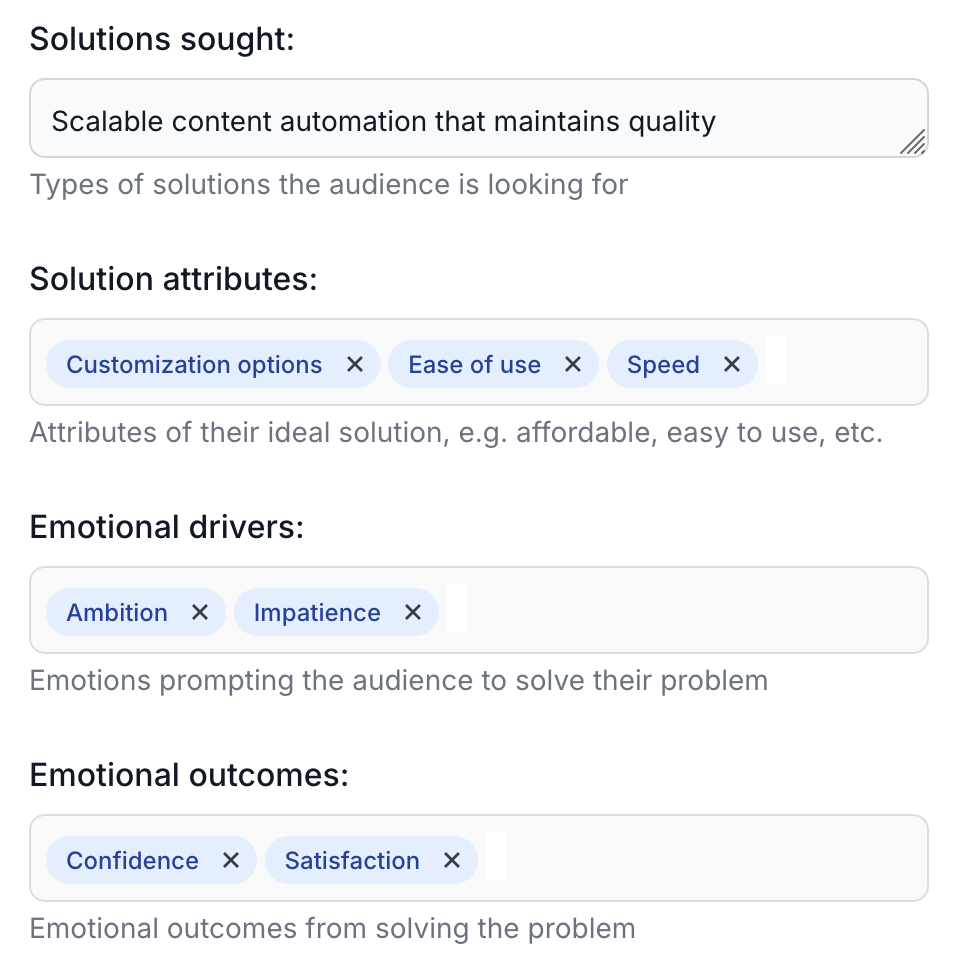
Personalisation changes an existing message for an individual: a name, a company or an industry. Audience-driven marketing starts earlier. It changes the message itself — the problem it leads with, the proof it uses and the way it asks for action — for a distinct kind of reader.
No. Start with the best information you have: the client’s website, sales conversations, existing research and the team’s experience. Make the assumptions visible, test them, and improve them as real evidence arrives. The model is meant to learn.
Yes. ‘Buyer’ is only shorthand. A charity may model donors and volunteers; a creator may model fans; a membership organisation may model prospective members. The useful questions remain the same: what does this person care about, what makes them hesitate and what language do they take seriously?
Bazam is a content marketing platform. It helps you build the audience understanding behind a campaign, generate content from it, schedule and publish it across your channels, and keep the learning available for the next brief. Advertising results are one valuable source of audience insight alongside organic content, sales and client feedback.